Website design is the art and science of creating a digital presence that is both visually appealing and highly functional. It encompasses a range of disciplines, including user experience (UX) and user interface (UI) design, graphic design, and content strategy. A well-designed website not only captures a visitor's attention but also guides them through an intuitive journey, ultimately helping them achieve their goals and leaving a lasting positive impression.
What is Website Design?
Website design is the process of planning, conceptualizing, and arranging content online. The focus is on the look and feel of the website—how a user interacts with it, how it’s structured, and how the content is presented. Good design is a balance of aesthetics and usability, ensuring that the site is both beautiful and easy to navigate.
It is a holistic process that includes:
- User Experience (UX) Design: Focused on making the website easy and pleasant to use.
- User Interface (UI) Design: Focused on the visual elements of the site, such as layouts, colors, and typography.
- Information Architecture: Structuring and organizing content in a logical and accessible way.
- Content Strategy: Planning the creation, publication, and governance of content.

Key Principles of Effective Website Design
To create a successful website, designers adhere to several fundamental principles:
- Visual Hierarchy: Guiding the user's eye to the most important elements on the page using size, color, contrast, and spacing.
- Responsiveness: Ensuring the website looks and functions perfectly on all devices, from desktops to smartphones.
- Simplicity & Consistency: Using clean layouts, a limited color palette, and consistent design elements to avoid overwhelming the user.
- Readability & Typography: Choosing fonts and text styles that are easy to read and complement the site's tone.
- Load Speed: Optimizing images and code to ensure fast page loading, which is crucial for user retention and SEO.
- Accessibility: Designing for all users, including those with disabilities, by following guidelines like WCAG.
The Website Design Process
A typical website design project follows a structured process to ensure all requirements are met:
- Discovery & Planning: Understanding the client's goals, target audience, and competition.
- Wireframing: Creating low-fidelity, structural layouts to define the placement of content and functionality.
- Mockups & Prototyping: Developing high-fidelity visual designs and interactive prototypes to test user flows.
- Development: Turning the finalized design into a functional website using HTML, CSS, and JavaScript.
- Testing & Launch: QA testing the site for bugs, responsiveness, and usability before making it live.
- Maintenance & Iteration: Continuously monitoring performance, gathering user feedback, and making updates to improve the site over time.
Essential Tools for Website Designers
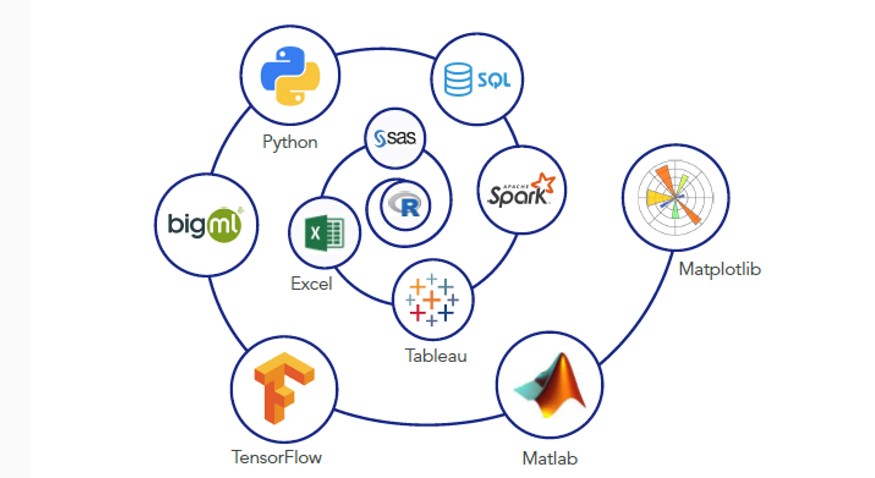
The modern website design workflow is supported by a variety of powerful tools:
- Figma: A popular collaborative UI/UX design tool used for wireframing, prototyping, and creating design systems.
- Sketch: A vector graphics editor for macOS, widely used for UI and icon design.
- Adobe XD: An all-in-one tool for designing and prototyping websites and mobile apps.
- Webflow & Editor X: No-code/low-code tools that allow designers to build and launch responsive websites without writing code.
- Adobe Photoshop & Illustrator: Classic tools for photo editing and creating custom graphics.

The Future of Website Design
Website design is a dynamic field that is constantly evolving:
- AI-Powered Design: AI tools are increasingly assisting with everything from generating layouts to optimizing user flows.
- Motion Design: The use of subtle animations and interactive elements to create more engaging and memorable experiences.
- Enhanced Accessibility: A growing commitment to designing websites that are usable by people with diverse abilities.
- Voice User Interfaces (VUI): Designing for interactions through voice commands, a trend driven by smart devices.
- Immersive Experiences: Integration of augmented reality (AR) and virtual reality (VR) into web experiences.
Conclusion
Website design is far more than just making a site look good; it's about crafting a digital experience that is intuitive, accessible, and aligned with a brand's goals. By mastering a blend of aesthetic principles, user-centric methodologies, and powerful design tools, designers can create websites that not only stand out visually but also deliver tangible value to their users. As technology continues to evolve, the role of a web designer will remain crucial in shaping how we interact with information and services in the digital world.