Web development is the art and science of building and maintaining websites and web applications. It encompasses everything from simple static pages to complex, dynamic platforms that power e-commerce, social media, and enterprise solutions. In an increasingly digital world, web development is a crucial skill, constantly evolving with new technologies and user demands.
What is Web Development?
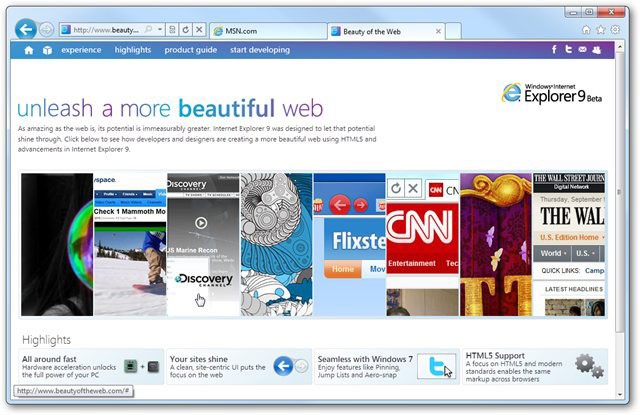
Web development broadly refers to the tasks associated with developing websites for hosting via intranet or internet. The web development process includes web design, web content development, client-side/server-side scripting, and network security configuration, among other tasks.
It is typically divided into three main categories:
- Frontend Development: Deals with the user-facing side of a website. It's what users see and interact with (HTML, CSS, JavaScript).
- Backend Development: Focuses on the server-side logic, databases, and APIs that power the frontend (Python, Node.js, PHP, Ruby, Java).
- Full-stack Development: Encompasses both frontend and backend development, allowing a developer to work on all layers of a web application.
The Core Technologies of Web Development
At the heart of web development are foundational technologies that every developer must understand:
- HTML (HyperText Markup Language): The standard markup language for creating web pages and web applications. It provides the structure of the content.
- CSS (Cascading Style Sheets): Used for describing the presentation of a document written in HTML. It controls the layout, colors, fonts, and overall visual appearance.
- JavaScript: A programming language that enables interactive web pages. It's essential for dynamic content, animations, and complex user interfaces.
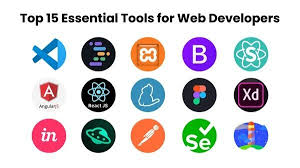
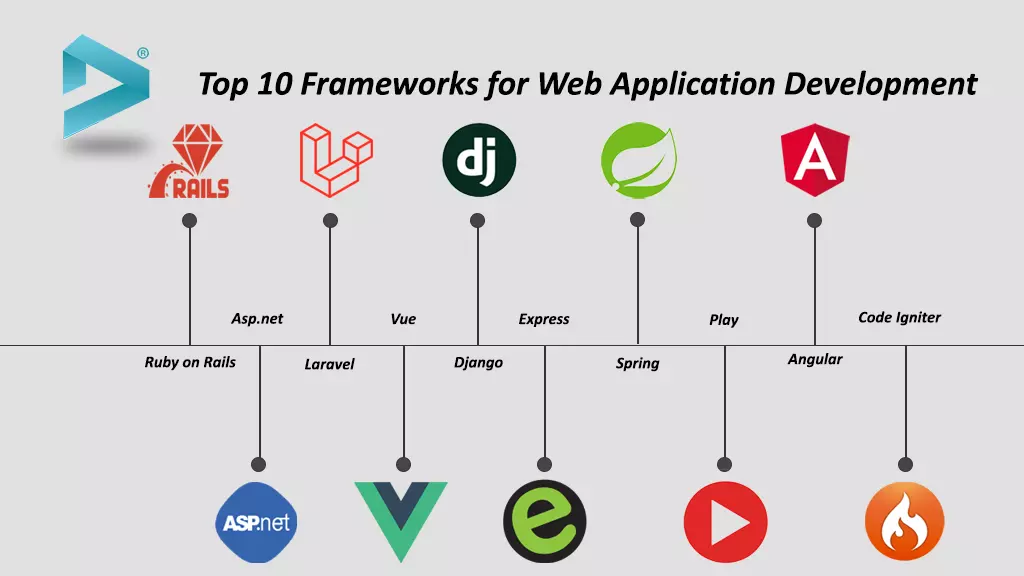
- Web Frameworks & Libraries: Tools like React, Angular, Vue.js (for frontend) and Node.js, Django, Flask, Ruby on Rails (for backend) streamline development.
- Databases: Systems like MySQL, PostgreSQL, MongoDB, and Firebase are used to store and manage data for web applications.
Key Areas and Applications of Web Development
Web development is a vast field with numerous specializations and applications:
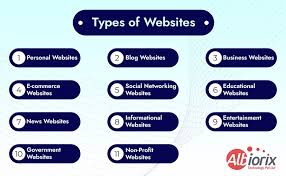
- E-commerce Websites: Building online stores (e.g., Shopify, Magento, custom solutions).
- Content Management Systems (CMS): Developing and customizing platforms like WordPress, Joomla, Drupal.
- Social Media Platforms: Creating interactive social networking sites.
- Web Applications (SaaS): Developing software accessible via a web browser (e.g., project management tools, CRM systems).
- Mobile-First & Responsive Design: Ensuring websites adapt seamlessly to various screen sizes and devices.
- API Development: Building interfaces that allow different software systems to communicate.
- Website Maintenance & Optimization: Ensuring sites are secure, fast, and up-to-date.
Essential Tools and Practices for Modern Web Developers
Modern web development relies on a robust set of tools and best practices:
- Version Control: Git and GitHub/GitLab/Bitbucket for collaborative development and tracking changes.
- Code Editors/IDEs: VS Code, Sublime Text, WebStorm for writing and debugging code efficiently.
- Package Managers: npm (Node.js), pip (Python) for managing project dependencies.
- Build Tools: Webpack, Gulp, Grunt for automating tasks like minification, compilation, and bundling.
- Testing Frameworks: Jest, Cypress, Selenium for ensuring code quality and functionality.
- Cloud Platforms: AWS, Google Cloud, Azure for hosting, deploying, and scaling web applications.

The Future of Web Development
The web is constantly evolving, and so is web development. Key trends shaping its future include:
- Progressive Web Apps (PWAs): Websites that offer an app-like experience, including offline capabilities and push notifications.
- WebAssembly (Wasm): Enabling high-performance applications in the browser, potentially allowing languages like C++, Rust, and Python to run client-side.
- Serverless Architecture: Shifting backend logic to cloud-managed functions, reducing operational overhead.
- Low-Code/No-Code Platforms: Empowering non-developers to build web applications with minimal coding.
- AI in Web Development: AI assisting with code generation, testing, and even design.
- Enhanced Security & Privacy: Growing emphasis on robust security measures and user data protection.
Conclusion
Web development is a dynamic and exciting field that continues to shape how we interact with information and each other. From the foundational trio of HTML, CSS, and JavaScript to advanced frameworks and cloud technologies, the possibilities are endless. As the digital landscape expands, skilled web developers will remain at the forefront, building the innovative and accessible online experiences that define our modern world.