Python has emerged as one of the most versatile and widely-used programming languages in the world. Its simplicity, readability, and vast ecosystem of libraries and frameworks make it a go-to choice for developers across various domains, from web development and data science to artificial intelligence and automation.
What is Python?
Python is an interpreted, high-level, general-purpose programming language. Created by Guido van Rossum and first released in 1991, Python's design philosophy emphasizes code readability with its notable use of significant indentation. It supports multiple programming paradigms, including object-oriented, imperative, and functional programming.
Key characteristics that define Python include:
- Simplicity and Readability: Its syntax is designed to be clear and intuitive, making it easy to learn and write.
- Versatility: Applicable across a wide range of applications and industries.
- Extensive Libraries: A rich collection of pre-built modules and packages for almost any task.
- Cross-Platform Compatibility: Runs on various operating systems like Windows, macOS, and Linux.
- Large Community Support: A vibrant and active community contributes to its development and provides extensive resources.
A Brief History and Evolution of Python
Python's journey began in the late 1980s, conceived as a successor to the ABC language, capable of exception handling and interacting with the Amoeba operating system.
- 1991: Python 0.9.0 released, featuring classes, exception handling, and core data types.
- 2000: Python 2.0 introduced, bringing list comprehensions and a garbage collection system.
- 2008: Python 3.0 (also known as "Py3k") released, a major revision that broke backward compatibility but aimed to fix fundamental design flaws.
- Present: Python 3.x continues to evolve with regular updates, becoming the dominant version. Its growth has been exponential, especially with the rise of data science and machine learning.
Key Applications of Python Today
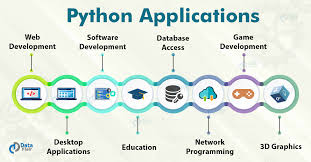
Python's adaptability means it's used in almost every tech sector:
- Web Development: Frameworks like Django and Flask power many popular websites and web applications.
- Data Science & Analytics: Libraries such as Pandas, NumPy, and SciPy are fundamental for data manipulation, analysis, and scientific computing.
- Machine Learning & AI: TensorFlow, Keras, and PyTorch enable the development of cutting-edge AI models.
- Automation & Scripting: Its simplicity makes it ideal for automating repetitive tasks and system administration.
- Game Development: Pygame and other libraries are used for creating games.
- Desktop Applications: Tkinter, PyQt, and Kivy allow for the creation of graphical user interfaces.
- Education: Its beginner-friendly nature makes it a popular choice for teaching programming concepts.
Essential Tools and Libraries for Python Development
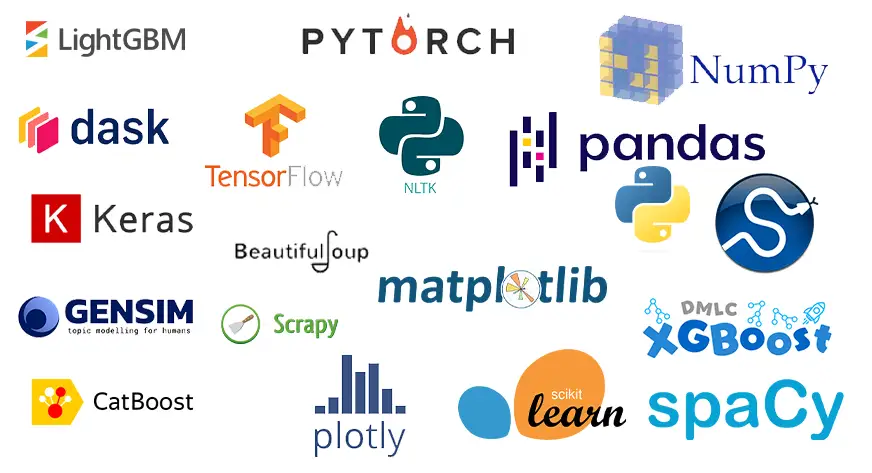
The strength of Python lies significantly in its rich ecosystem of tools and libraries:
- Data Analysis: Pandas (data structures and analysis), NumPy (numerical computing), Matplotlib & Seaborn (data visualization).
- Web Frameworks: Django (full-stack, robust web development), Flask (lightweight, flexible web applications).
- Machine Learning: Scikit-learn (general-purpose ML), TensorFlow & PyTorch (deep learning).
- Automation: Selenium (web automation), Requests (HTTP requests), OS module (operating system interaction).
- Integrated Development Environments (IDEs): PyCharm, VS Code, Jupyter Notebooks (interactive computing).

The Future of Python Programming
Python's trajectory suggests continued growth and influence across technology. Key areas that will drive its future include:
- Continued Dominance in AI/ML: As AI advances, Python's role as the primary language for research and development will solidify.
- Increased Adoption in WebAssembly: Efforts like Pyodide are bringing Python to the browser, expanding its web capabilities.
- Growth in Edge Computing & IoT: Its lightweight nature makes it suitable for embedded systems.
- Enhanced Performance: Projects like Cinder (from Instagram) and ongoing CPython optimizations aim to make Python faster.
- Broader Enterprise Integration: As more businesses adopt data-driven strategies, Python's role in enterprise solutions will expand.
Conclusion
Python's journey from a niche scripting language to a global programming powerhouse is a testament to its elegant design and the power of its community. Its accessibility makes it an excellent choice for beginners, while its extensive capabilities satisfy the demands of complex, cutting-edge applications. As technology continues to evolve, Python's adaptability and robust ecosystem ensure its place at the forefront of innovation, empowering developers to build the future, one line of code at a time.