Mobile app development is the process of creating software applications that run on mobile devices, such as smartphones and tablets. These applications can be pre-installed on phones during manufacturing, downloaded from app stores, or accessed via mobile web browsers. With billions of smartphone users worldwide, mobile apps have become an indispensable part of daily life, driving communication, commerce, entertainment, and productivity.
What is Mobile App Development?
Mobile app development involves designing, building, testing, and deploying applications for mobile platforms. It's a specialized field that requires understanding platform-specific guidelines, user experience (UX) principles for small screens, and performance optimization for mobile hardware.
Mobile apps generally fall into three main categories:
- Native Apps: Built specifically for a particular mobile operating system (e.g., iOS using Swift/Objective-C, Android using Java/Kotlin). They offer the best performance and access to device features.
- Hybrid Apps: Developed using web technologies (HTML, CSS, JavaScript) and then wrapped in a native container. They can run on multiple platforms from a single codebase (e.g., Ionic, Cordova).
- Cross-Platform Apps: Written in a single language/framework and compiled into native code for multiple platforms (e.g., React Native, Flutter, Xamarin). They offer a balance between native performance and code reusability.

The Mobile App Development Process
Developing a mobile app typically follows a structured lifecycle to ensure a high-quality product:
- Strategy & Planning: Defining the app's purpose, target audience, features, and monetization strategy.
- UI/UX Design: Creating wireframes, mockups, and prototypes to define the app's look, feel, and user flow.
- App Development: Writing the code for both frontend (user interface) and backend (server-side logic, APIs, database).
- Testing: Thoroughly testing the app for functionality, performance, security, and usability across various devices and scenarios.
- Deployment: Releasing the app to app stores (e.g., Apple App Store, Google Play Store) and managing submission processes.
- Marketing & Launch: Promoting the app to the target audience.
- Post-Launch Support & Maintenance: Bug fixes, updates, performance monitoring, and adding new features based on user feedback.
Key Platforms and Technologies in Mobile App Development
The choice of platform and technology depends on the project's requirements and target audience:
-
iOS Development:
- Languages: Swift, Objective-C
- IDE: Xcode
- Frameworks: UIKit, SwiftUI
-
Android Development:
- Languages: Kotlin, Java
- IDE: Android Studio
- Frameworks: Android SDK
-
Cross-Platform Development:
- React Native (JavaScript/TypeScript)
- Flutter (Dart)
- Xamarin (C#)
- Ionic (HTML, CSS, JavaScript)
- Backend Technologies: Node.js, Python (Django/Flask), Ruby on Rails, Java (Spring Boot) for APIs and databases.
Essential Tools and Practices for Mobile Developers
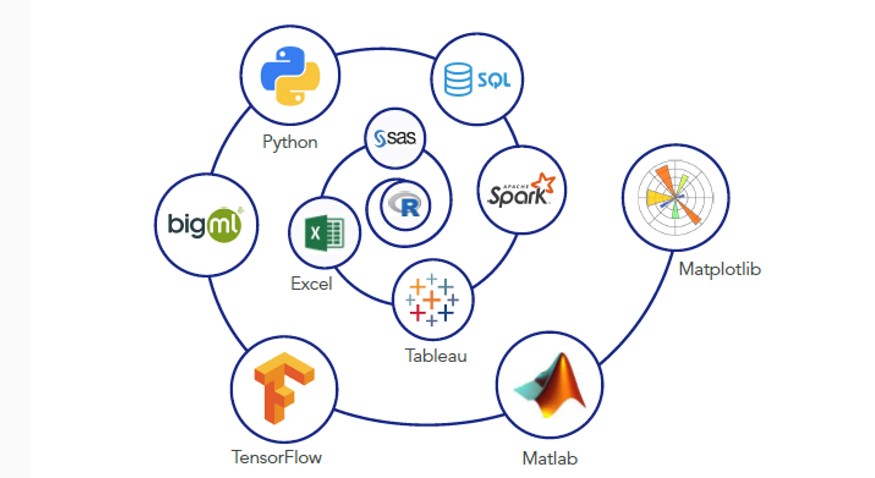
Modern mobile development relies on a robust set of tools and best practices:
- Version Control: Git and platforms like GitHub/GitLab for collaborative development.
- APIs & SDKs: Leveraging third-party services and software development kits for features like maps, payments, and analytics.
- Cloud Services: Firebase, AWS Amplify, Google Cloud, Azure for backend services, authentication, and data storage.
- Testing Tools: Emulators, physical devices, automated testing frameworks (e.g., Espresso, XCUITest).
- Performance Monitoring: Tools to track app crashes, responsiveness, and battery usage.
- App Store Optimization (ASO): Strategies to improve app visibility and downloads in app stores.

The Future of Mobile App Development
The mobile app landscape is constantly evolving, driven by new hardware capabilities and user expectations:
- 5G Integration: Enabling faster speeds and lower latency for richer app experiences.
- Augmented Reality (AR) & Virtual Reality (VR): Increasing integration of immersive experiences into mobile apps.
- AI and Machine Learning: Smarter, more personalized app features (e.g., intelligent assistants, predictive text).
- IoT Integration: Apps controlling smart home devices, wearables, and connected cars.
- Foldable Devices & New Form Factors: Adapting app UIs for innovative hardware designs.
- Enhanced Security & Privacy: Growing focus on protecting user data and ensuring app security.
Conclusion
Mobile app development is a vibrant and essential field that continues to shape our digital lives. From native performance to cross-platform efficiency, developers have a wealth of tools and technologies at their disposal to bring innovative ideas to billions of users. As mobile devices become even more integrated into our daily routines, the demand for skilled mobile app developers who can craft intuitive, powerful, and secure experiences will only continue to grow, pushing the boundaries of what's possible in the palm of our hands.