Finance and accounting are two interconnected disciplines that form the backbone of any successful business, organization, or personal financial plan. While often used interchangeably, they serve distinct but complementary roles. Accounting is about tracking and reporting past and present financial activities, while finance is focused on managing money and making strategic decisions for the future. Together, they provide the essential framework for understanding an entity's economic health.
What is Accounting?
Accounting is often called the "language of business" because it involves the systematic process of recording, summarizing, analyzing, and reporting financial transactions. It provides a clear, factual record of a company's financial performance. This information is crucial for internal management decisions and for external stakeholders like investors, creditors, and government agencies.
Key areas of accounting include:
- Financial Accounting: Preparing financial statements (balance sheet, income statement, cash flow statement) for external use.
- Management Accounting: Providing financial information and analysis to internal managers to assist with decision-making.
- Auditing: The process of examining and verifying a company's financial records to ensure accuracy and compliance.
- Tax Accounting: Focusing on preparing tax returns and planning for tax obligations.

What is Finance?
Finance, on the other hand, is the broad discipline of how individuals, companies, and governments manage and create money. It's about the future—how to acquire capital, where to invest it, and how to allocate resources to maximize value and minimize risk. Finance uses the information provided by accounting to make forward-looking, strategic decisions.
Key areas of finance include:
- Corporate Finance: Managing the financial activities of a corporation, such as investment decisions, capital structure, and dividend policy.
- Personal Finance: The management of an individual's financial resources, including budgeting, saving, and retirement planning.
- Public Finance: The study of government revenue and expenditure.
- Investments: The allocation of money to assets (e.g., stocks, bonds, real estate) with the expectation of generating a return.

The Synergy between Finance and Accounting
Accounting and finance are two sides of the same coin. Accounting provides the data, and finance uses that data to make decisions. For example, a company's accounting team will generate an income statement detailing revenues and expenses for the past year. The finance team will then use this information to project future earnings, evaluate potential investment opportunities, and determine the company's financial strategy moving forward. A strong understanding of both is essential for effective financial management.
Essential Skills and Tools
Whether you're pursuing a career in accounting or finance, a core set of skills and tools is necessary:
- Analytical Skills: The ability to interpret financial data and identify trends.
- Attention to Detail: Accuracy is paramount, especially in accounting.
- Mathematical & Quantitative Skills: A solid understanding of statistics and financial modeling.
- Ethical Judgment: Integrity and professional ethics are non-negotiable.
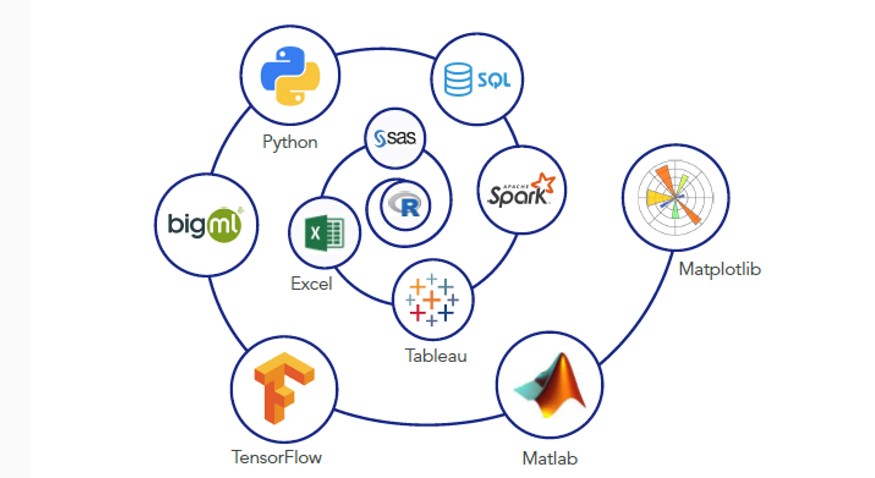
- Software Proficiency: Familiarity with tools like Microsoft Excel, QuickBooks, SAP, and various data analysis platforms.

The Future of Finance and Accounting
Both fields are being reshaped by technology and new trends:
- Automation: AI and machine learning are automating routine tasks, freeing professionals to focus on strategic analysis.
- Blockchain: This technology is transforming financial record-keeping, enhancing security and transparency.
- Data Analytics: Big data is enabling more precise and predictive financial modeling.
- Fintech: The rise of financial technology startups is disrupting traditional banking and financial services.
- Sustainability: A growing focus on ESG (Environmental, Social, and Governance) factors is changing investment and corporate reporting.
Conclusion
Finance and accounting are the pillars upon which sound economic decisions are built. Accounting provides the historical data and a clear picture of an entity's financial past and present, while finance uses that information to chart a course for a prosperous future. By understanding these two intertwined disciplines, individuals and organizations alike can better navigate the complexities of the economic landscape, manage risk, and create long-term value.