In today's data-driven world, the ability to collect, process, and interpret vast amounts of information has become a critical differentiator for businesses, researchers, and individuals alike. Data analytics is the science of examining raw data with the purpose of drawing conclusions about that information. It's the bridge between raw numbers and meaningful decisions.
What is Data Analytics?
Data analytics involves a systematic approach to extracting insights from data. It encompasses various techniques and processes to analyze data, improve efficiency, and optimize decision-making. Far from just crunching numbers, it's about understanding patterns, trends, and anomalies to predict future outcomes and drive strategic actions.
It's often broken down into several types:
- Descriptive Analytics: What happened? (e.g., sales reports, website traffic)
- Diagnostic Analytics: Why did it happen? (e.g., root cause analysis of declining sales)
- Predictive Analytics: What will happen? (e.g., forecasting future trends, customer churn prediction)
- Prescriptive Analytics: What should be done? (e.g., recommending optimal actions to achieve a goal)

Why Data Analytics Matters More Than Ever
The sheer volume of data generated daily is staggering. Without effective analytics, this data is just noise. Data analytics helps organizations:
- Make Informed Decisions: Move from intuition-based decisions to data-backed strategies.
- Improve Efficiency: Identify bottlenecks, optimize processes, and reduce waste.
- Understand Customers: Gain deeper insights into customer behavior, preferences, and needs for personalized experiences.
- Identify Trends & Opportunities: Spot emerging market trends or new business opportunities.
- Mitigate Risks: Detect fraud, identify security threats, and predict potential failures.
- Drive Innovation: Use data to fuel product development and service enhancements.
The Data Analytics Process
While the specifics can vary, a typical data analytics process follows these general steps:
- Data Collection: Gathering raw data from various sources (databases, APIs, web scraping, surveys).
- Data Cleaning & Preparation: Handling missing values, removing duplicates, correcting errors, and transforming data into a usable format. This is often the most time-consuming step.
- Data Exploration & Analysis: Applying statistical methods, machine learning algorithms, and visualization techniques to uncover patterns and insights.
- Data Visualization: Presenting findings through charts, graphs, dashboards, and reports to make them understandable and actionable.
- Interpretation & Action: Drawing conclusions from the analysis and translating them into strategic recommendations or direct actions.
Key Tools and Technologies in Data Analytics
The field of data analytics leverages a diverse set of tools and technologies:
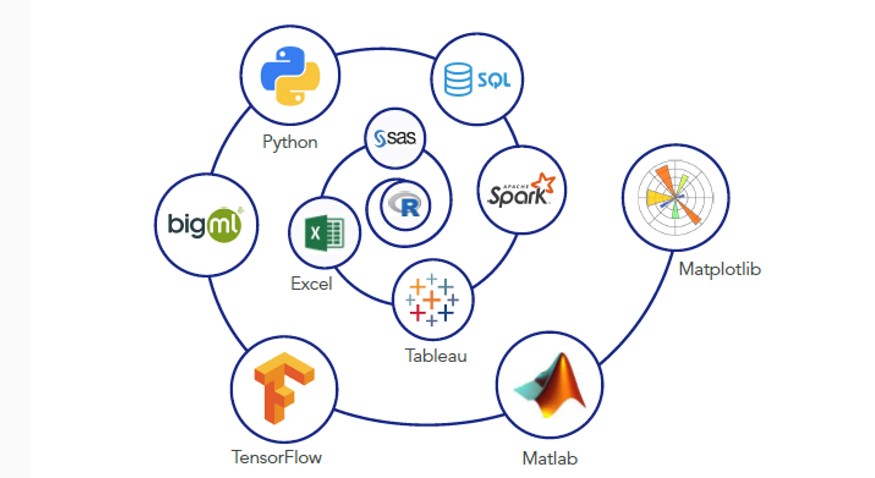
- Programming Languages: Python (with libraries like Pandas, NumPy, SciPy, Scikit-learn) and R are industry standards for statistical analysis and machine learning.
- Databases: SQL (for relational databases), NoSQL databases (MongoDB, Cassandra) for handling unstructured data.
- Business Intelligence (BI) Tools: Tableau, Power BI, Qlik Sense for creating interactive dashboards and reports.
- Spreadsheets: Microsoft Excel, Google Sheets for basic data manipulation and analysis.
- Big Data Technologies: Apache Hadoop, Apache Spark for processing and storing large datasets.
- Cloud Platforms: AWS, Google Cloud, Azure offer scalable computing resources and specialized data services.

The Future of Data Analytics
The landscape of data analytics is continuously evolving. Key trends shaping its future include:
- Augmented Analytics: AI and machine learning automating data preparation, insight discovery, and explanation.
- Real-time Analytics: Increasing demand for immediate insights from streaming data.
- Edge Analytics: Processing data closer to its source (e.g., IoT devices) to reduce latency.
- Data Storytelling: Emphasizing the narrative aspect of data to make insights more compelling and memorable.
- Ethical AI & Data Governance: Growing focus on responsible data usage, privacy, and fairness in algorithms.
Conclusion
Data analytics is no longer a niche skill but a fundamental capability for navigating the complexities of the modern world. By transforming raw data into clear, actionable insights, it empowers individuals and organizations to make smarter decisions, innovate faster, and achieve their goals more effectively. As data continues to proliferate, the importance of skilled data analysts and robust analytical tools will only grow, making it an exciting and impactful field to be a part of.