In an increasingly interconnected world, where digital information is a cornerstone of daily life and global operations, cybersecurity has become paramount. It is the practice of protecting systems, networks, and programs from digital attacks. These cyberattacks are usually aimed at accessing, changing, or destroying sensitive information; extorting money from users; or interrupting normal business processes.

What is Cybersecurity?
Cybersecurity encompasses the technologies, processes, and controls designed to protect systems, networks, and data from cyberattacks. Its primary goal is to ensure the confidentiality, integrity, and availability (CIA triad) of information. As threats evolve, so too must the strategies and tools used to combat them.
Key pillars of cybersecurity include:
- Network Security: Protecting computer networks from intruders, whether targeted attackers or opportunistic malware.
- Application Security: Ensuring software and devices are free of vulnerabilities that could be exploited.
- Information Security: Protecting the integrity and privacy of data, both in storage and in transit.
- Operational Security: Processes and decisions for handling and protecting data assets.
- Disaster Recovery & Business Continuity: How an organization responds to a cyberattack or other catastrophic event.

The Evolving Threat Landscape
Cyber threats are constantly evolving in sophistication and volume. Understanding common attack vectors is crucial for effective defense:
- Malware: Malicious software like viruses, worms, ransomware, and spyware designed to damage or gain unauthorized access to computer systems.
- Phishing: Deceptive attempts to trick individuals into revealing sensitive information (e.g., passwords, credit card numbers) often through fake emails or websites.
- Denial-of-Service (DoS/DDoS) Attacks: Overwhelming a system or network with traffic to disrupt its normal operation.
- Man-in-the-Middle (MitM) Attacks: Intercepting communication between two parties to eavesdrop or alter data.
- SQL Injection: Exploiting vulnerabilities in database queries to gain unauthorized access to data.
- Zero-Day Exploits: Attacks that target previously unknown software vulnerabilities before a fix is available.

Key Areas and Practices in Cybersecurity
Effective cybersecurity requires a multi-layered approach, combining technology, policy, and human awareness:
- Risk Management: Identifying, assessing, and mitigating cybersecurity risks.
- Identity and Access Management (IAM): Controlling who has access to what resources and verifying user identities.
- Security Awareness Training: Educating employees about cybersecurity best practices and common threats.
- Incident Response: Developing plans to detect, respond to, and recover from cyber incidents.
- Vulnerability Management: Regularly scanning systems for weaknesses and patching them.
- Encryption: Converting data into a coded format to prevent unauthorized access.
- Security Audits & Compliance: Regularly reviewing security measures and ensuring adherence to regulations (e.g., GDPR, HIPAA).
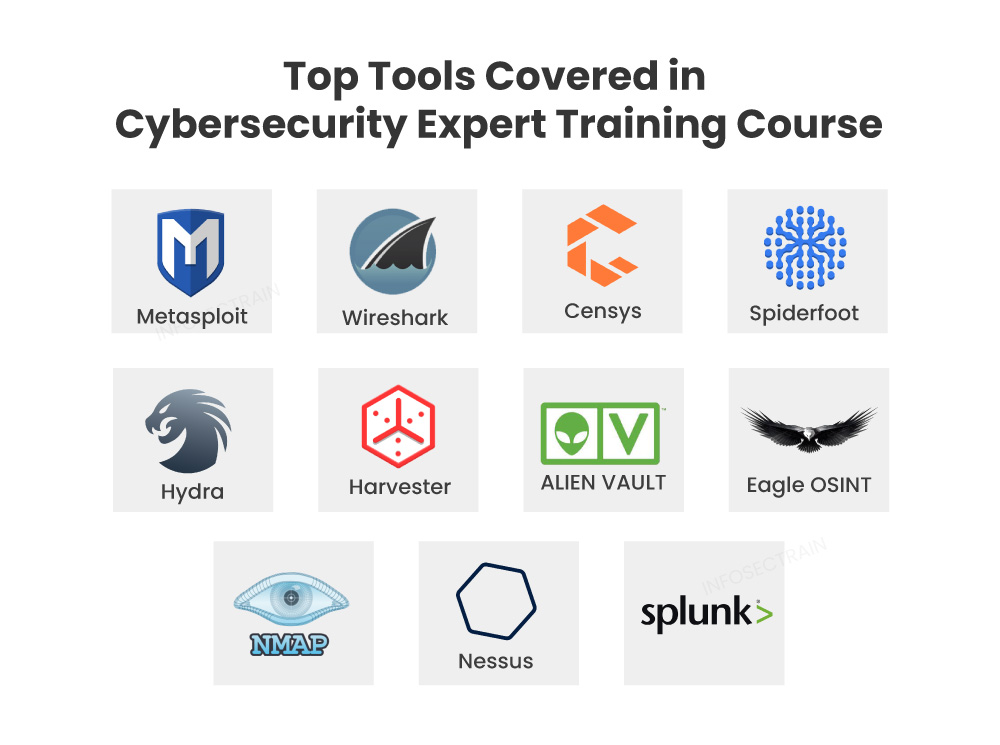
Essential Tools and Technologies in Cybersecurity
Cybersecurity professionals utilize a wide array of tools to protect digital assets:
- Firewalls: Network security systems that monitor and control incoming and outgoing network traffic.
- Antivirus/Anti-malware Software: Detects, prevents, and removes malicious software.
- Intrusion Detection/Prevention Systems (IDS/IPS): Monitor network traffic for suspicious activity and can block threats.
- Security Information and Event Management (SIEM): Collects and analyzes security alerts from various sources to identify threats.
- Virtual Private Networks (VPNs): Create secure, encrypted connections over a less secure network, like the internet.
- Endpoint Detection and Response (EDR): Monitors and collects data from endpoint devices to detect and investigate threats.
- Penetration Testing Tools: Used by ethical hackers to simulate attacks and identify vulnerabilities.

The Future of Cybersecurity
The cybersecurity landscape is constantly evolving, driven by technological advancements and the ingenuity of attackers. Key trends shaping its future include:
- AI and Machine Learning in Defense: Leveraging AI to detect and respond to threats more rapidly and effectively.
- Zero Trust Architecture: A security model that assumes no user or device is trustworthy by default, regardless of their location.
- Cloud Security: Expanding focus on securing data and applications hosted in cloud environments.
- IoT Security: Addressing the unique vulnerabilities of billions of interconnected smart devices.
- Quantum Cryptography: Exploring new encryption methods resistant to future quantum computing attacks.
- Cybersecurity Mesh Architecture: A distributed approach to security that integrates various security tools.
Conclusion
Cybersecurity is no longer just an IT concern; it's a fundamental aspect of business operations, national security, and individual privacy. As our world becomes more digital, the importance of robust cybersecurity measures and a skilled workforce to implement them will only continue to grow. By understanding the threats and adopting proactive defense strategies, we can collectively build a more secure and resilient digital future.