Business analytics is a rapidly growing field that focuses on using data, statistical methods, and quantitative analysis to gain insights and drive smarter business decisions. It's the process of transforming raw data into actionable intelligence. By leveraging the power of data, organizations can understand past performance, predict future outcomes, and make informed strategic choices to gain a competitive advantage.
What is Business Analytics?
Business analytics is a discipline that uses data and quantitative methods to solve business problems. It's a key component of data science, but with a specific focus on business applications. Rather than just reporting what happened, business analytics seeks to explain why it happened and what should be done next.
The field is commonly divided into four types of analysis:
- Descriptive Analytics: "What happened?" This is the most basic form, using historical data to identify trends and patterns (e.g., sales reports, customer dashboards).
- Diagnostic Analytics: "Why did it happen?" This goes a step further by using data to find the root cause of an outcome (e.g., analyzing why sales dropped in a particular region).
- Predictive Analytics: "What will happen?" This uses statistical models and machine learning to forecast future outcomes (e.g., predicting customer churn or future demand).
- Prescriptive Analytics: "What should we do?" This is the most advanced form, recommending specific actions to achieve a desired outcome (e.g., optimizing pricing strategies or supply chain routes).

The Business Analytics Process
A typical business analytics project follows a structured lifecycle:
- Data Collection and Management: Gathering data from various sources (databases, websites, sensors) and storing it in a centralized location.
- Data Cleaning and Preparation: A critical step to remove errors, fill in missing values, and transform data into a usable format.
- Data Analysis and Modeling: Applying statistical techniques, algorithms, and machine learning models to the prepared data.
- Reporting and Visualization: Presenting findings through dashboards, charts, and reports to make them understandable to a non-technical audience.
- Decision Making and Action: Using the insights from the analysis to inform business strategy and implement changes.
Key Tools and Technologies
Business analysts use a wide array of tools to perform their work:
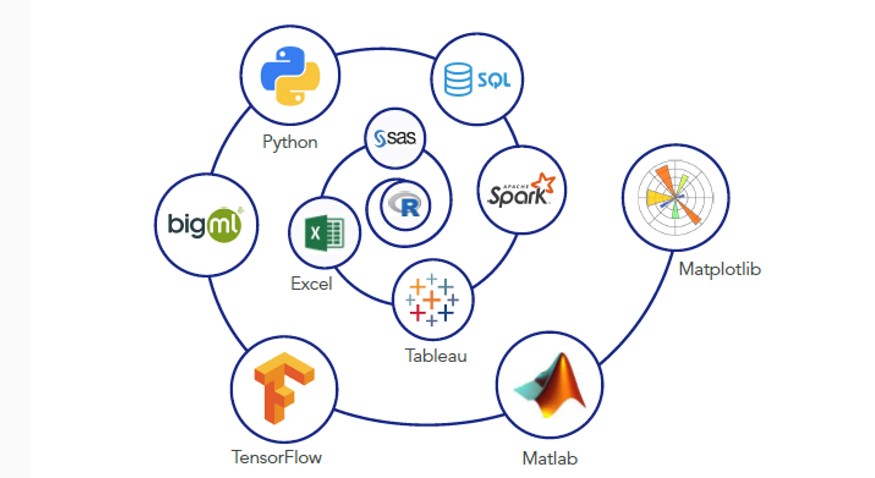
- BI (Business Intelligence) Platforms: Tools like Tableau, Microsoft Power BI, and Google Looker Studio for data visualization and dashboard creation.
- Programming Languages: Python and R are essential for advanced statistical analysis, machine learning, and data manipulation.
- Databases: SQL is the standard for querying and managing data in relational databases.
- Spreadsheets: Microsoft Excel remains a fundamental tool for data organization, basic analysis, and reporting.
The Impact of Business Analytics
Business analytics has a transformative impact across all departments of an organization:
- Marketing: Better understanding of customer behavior, leading to more targeted campaigns and higher ROI.
- Operations: Optimization of supply chains, inventory management, and resource allocation.
- Finance: Enhanced risk management, fraud detection, and financial forecasting.
- Strategy: Identification of new market trends, competitive analysis, and support for major business decisions.

The Future of Business Analytics
The field is constantly evolving, driven by new technologies and a growing emphasis on data literacy:
- AI and Machine Learning: The integration of advanced AI models to automate predictive and prescriptive analysis.
- Real-Time Analytics: The ability to process and analyze data as it is generated, enabling immediate decision-making.
- Embedded Analytics: Bringing analytics directly into business applications and workflows, making insights more accessible.
- Data Governance and Ethics: A greater focus on responsible data management, privacy, and ensuring that analytics are fair and unbiased.
Conclusion
Business analytics is a cornerstone of modern corporate strategy. By moving beyond simple reporting and embracing descriptive, diagnostic, predictive, and prescriptive analytics, companies can unlock the hidden value in their data. The ability to make informed, data-driven decisions is no longer a luxury but a necessity for survival and growth in a competitive marketplace. As technology continues to advance, the role of business analytics will only become more central to the success of organizations worldwide.